
For nearly a century, Warsaw Lodzer Mutual Benefit Society has helped members of the community secure Jewish interment rights and burial plots with dignity, tradition, and peace of mind. Established in 1929, we are proud of our long history of serving Jewish families across the Toronto area.
As cemetery space in Toronto becomes increasingly limited, planning ahead has never been more important — especially for younger families who want to ensure future generations have access to Jewish burial within our community.
We are currently welcoming new members and encouraging the next generation to learn more about the importance of securing interment rights early. By becoming a member, you help preserve an important communal legacy while protecting your family’s future needs.

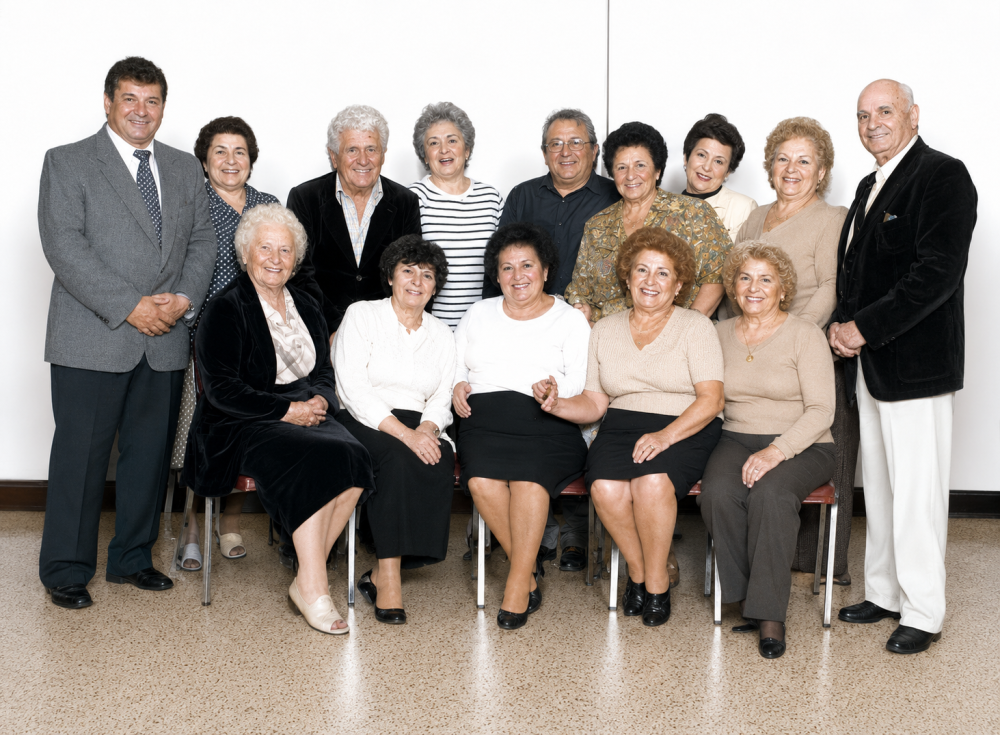
President
Vice President, Information Officer

Financial Secretary
Recording Secretary

Treasurer
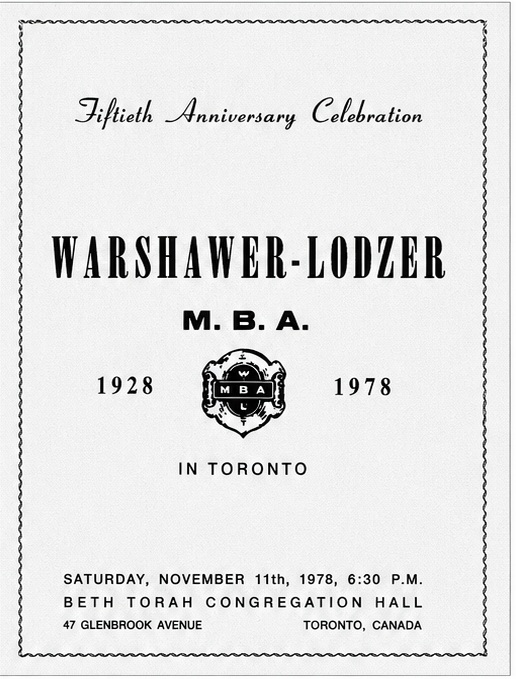
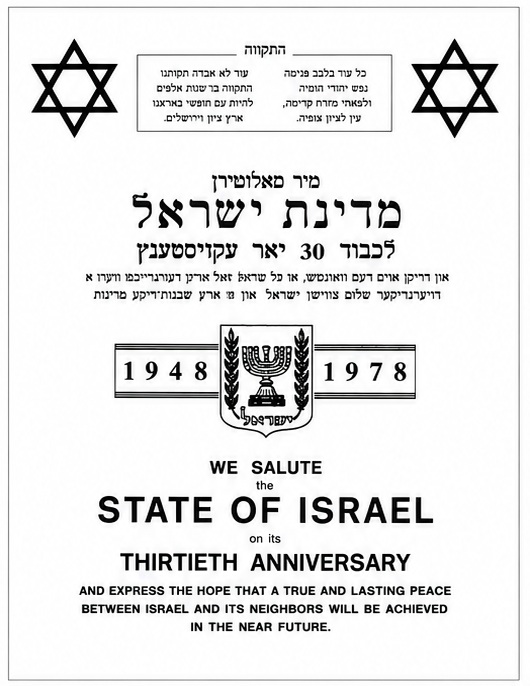
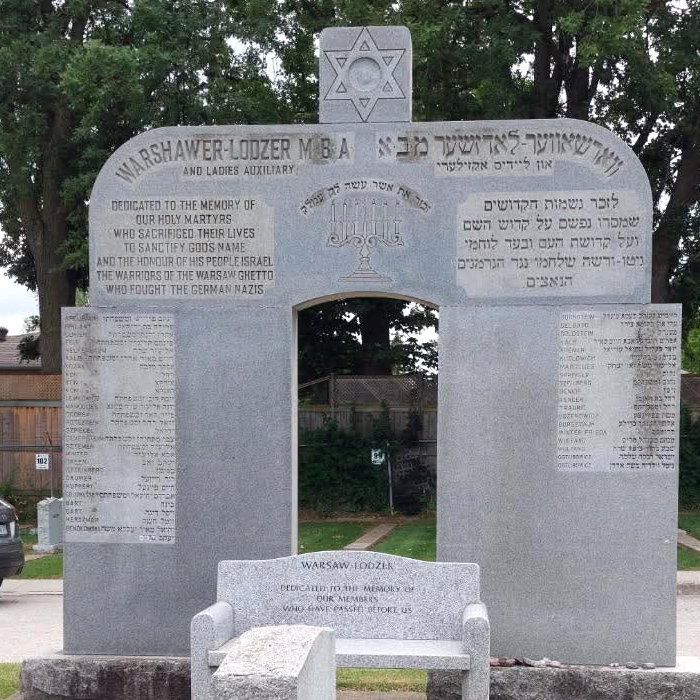
The Warsaw-Lodzer Mutual Benefit Association (historically registered as the Warshawer-Lodzer Mutual Benefit Society) is a foundational Jewish fraternal organization, or landsmanschaft, established in Toronto in 1929. It was founded by Jewish immigrants arriving from the prominent Polish industrial cities of Warsaw and Łódź.
The history of the association reflects the broader narrative of the Jewish immigrant experience in 20th-century Canada, evolving from an essential immigrant survival network into a legacy institution focused on community memory and burial rights.
The late 1920s saw a massive influx of Jewish immigrants fleeing economic hardship and rising antisemitism in Poland. Upon arriving in Toronto, these newcomers faced severe language barriers, cultural isolation, and a lack of social safety nets.
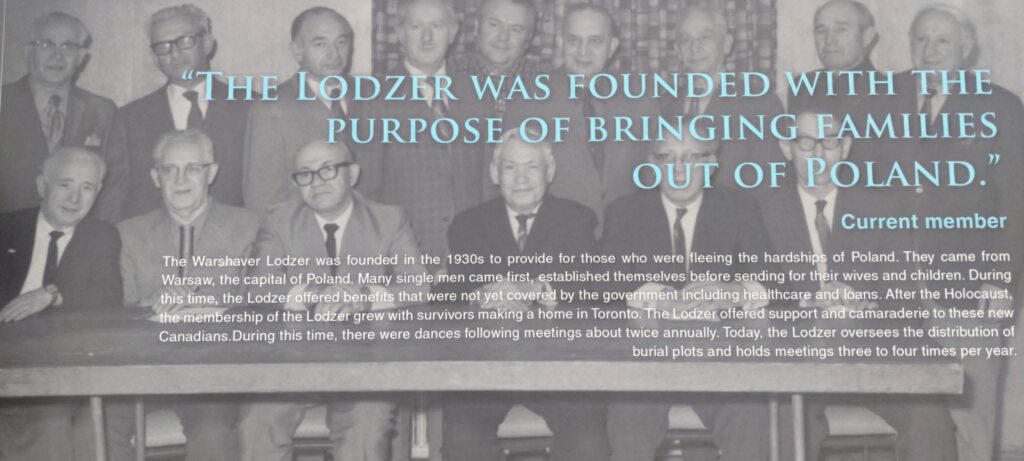
To cope, immigrants from the same European hometowns (landsleit) banded together to form hometown associations. The Warsaw and Łódź compatriot groups united in 1929 to establish a combined society, ensuring a larger membership pool capable of funding community resources.
During its most active era, which spanned from its founding through the post-WWII years, the association functioned as an all-in-one social and financial lifeline. It provided a structured array of member benefits funded through community dues:
The outbreak of World War II completely halted immigration, cutting off the society from its roots in Poland. Following the Holocaust, the mandate of the Warsaw-Lodzer association shifted dramatically.
The group became deeply involved in overseas relief efforts and actively sponsored Holocaust survivors transitioning to Toronto. The society provided housing placement, employment networking, and a profound sense of family for survivors who had lost their entire kinship networks in Europe.
By the late 1960s, the Canadian government had introduced comprehensive social security, public unemployment insurance, and universal healthcare. These legislative changes effectively phased out the historical “sick benefit” and financial aid functions of Toronto’s landsmanschaften.
As the original immigrant generation aged and their children fully integrated into Canadian life, the association pivoted strictly toward its final remaining mutual benefit: managing dedicated cemetery plots and preserving community memory.
Today, the organization continues to exist as a legacy entity headquartered in Thornhill, Ontario. It primarily manages its designated ancestral burial sections in Toronto and Vaughan.
Offering support and structure to Toronto’s Jewish community in times of loss.